So What Actually Counts as E-Waste?
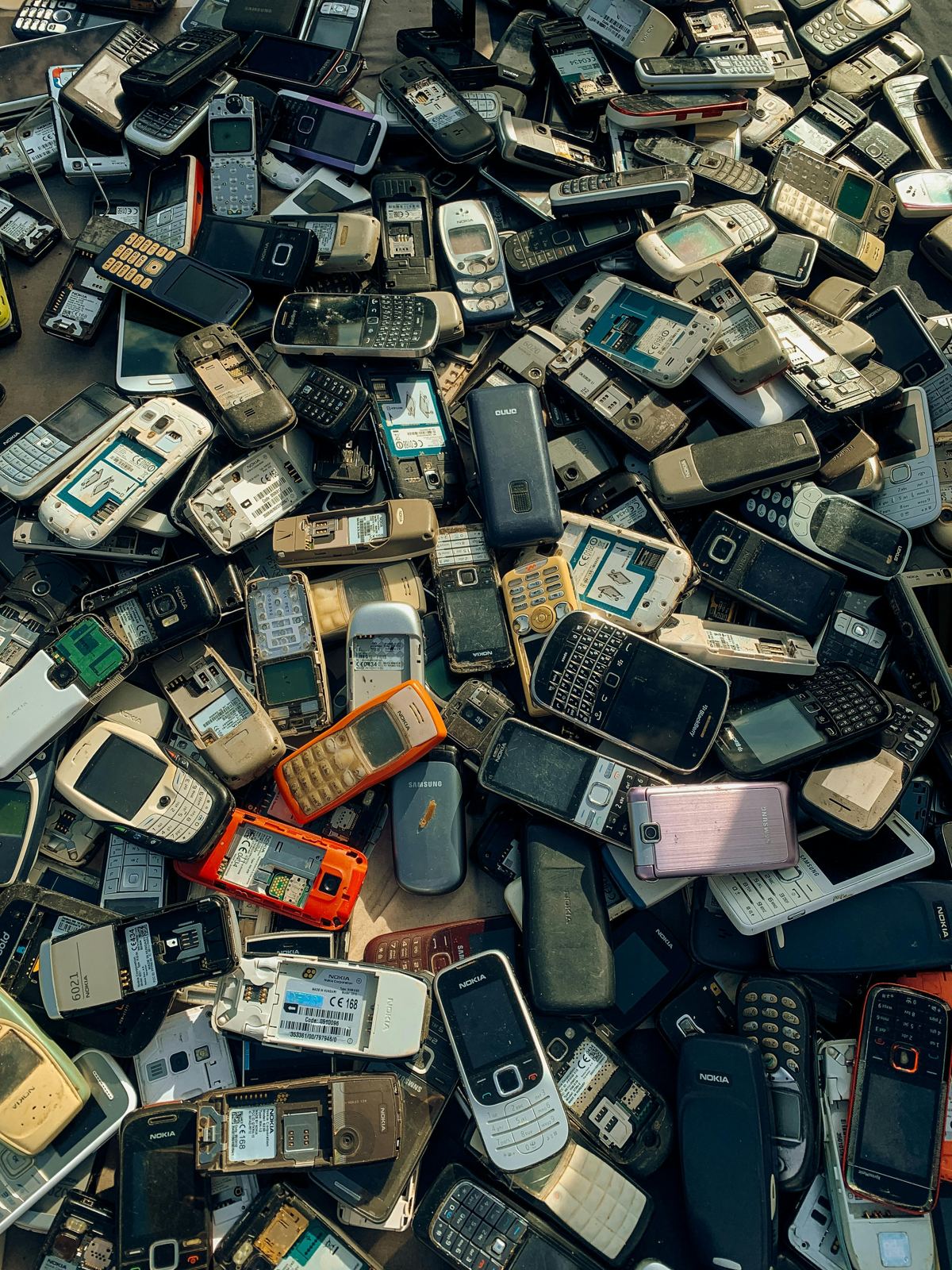
Most people hear "e-waste" and think of old computers or broken TVs. But it's way broader than that. E-waste is basically anything with a plug or a battery that you're getting rid of. That includes your dead phone, sure, but also old chargers, worn-out earbuds, TV remotes with corroded batteries, that USB cable you've had since 2018, and even your expired LED bulbs.
What makes this stuff different from normal trash is what's inside it. A single smartphone has dozens of different materials packed into it — copper, lithium, cobalt, gold, and rare earth elements. But alongside those valuable materials, there's also lead, mercury, and cadmium. When a phone ends up in a landfill, those toxic materials don't just stay put. Over time, they seep into the soil and groundwater. And once that contamination starts, it's really hard to undo.
How Big Is This Problem?
When I started researching this, the numbers genuinely shocked me. The UN's Global E-waste Monitor from 2024 reported that the world generated 62 million tonnes of e-waste in 2022 alone. That's an 82% jump from 2010. To put it in perspective — that's enough to fill 1.55 million trucks lined up bumper to bumper around the entire equator.
And here's the part that really gets me: only 22.3% of that was properly collected and recycled. The rest — over $62 billion worth of recoverable materials — was dumped in landfills, burned, or handled through unsafe informal channels. E-waste is growing five times faster than our ability to recycle it. By 2030, we're looking at 82 million tonnes per year.
These aren't small numbers. This is one of the fastest-growing waste streams on the planet, and most of it is just disappearing into the ground.
Why Should We Care in Azerbaijan?
This is where it gets personal. Azerbaijan doesn't have any specific laws for managing e-waste. We have general waste management legislation, but nothing that specifically addresses how to collect, process, or recycle electronics. There are barely any public drop-off points. No formal e-waste recycling facilities that regular people can access. And honestly, most people here have no idea that throwing a phone in the trash is any different from throwing away a plastic bottle.
So what happens is pretty straightforward: families upgrade their phones, replace their laptops, toss out old batteries — and all of it goes into regular waste bins, mixed in with everything else heading to a landfill. In a country that just hosted COP29, that's a pretty significant gap.
Azerbaijan has started working on broader waste management — the government is developing Extended Producer Responsibility policies and building infrastructure in the liberated territories. But e-waste specifically is still a blind spot. That's part of why E-Waste Azerbaijan exists. We're trying to fill the gap at the community level by giving people somewhere to actually bring their old electronics.
It's Not Just About the Environment
The health side of this is what really convinced me this issue matters. According to the World Health Organization, the toxic substances in e-waste — lead, mercury, cadmium, flame retardants — directly affect human health when they're released through improper disposal. Children are especially vulnerable. Research has linked e-waste exposure to developmental delays, respiratory issues, and even DNA damage.
There's also the economic waste. The raw materials inside global e-waste were valued at $91 billion in 2022. Only about $19 billion of that was actually recovered through recycling. That means we're literally burying billions of dollars worth of copper, gold, and rare earth metals in the ground every year. Proper e-waste management isn't just about preventing harm — it's about not throwing away resources we already have.
What Can You Actually Do?
Honestly, the simplest thing is just to stop putting electronics in the trash. Keep a small box at home for dead batteries, old cables, and broken devices. When it's full, bring it to a collection point or a collection drive.
If something still works but you don't need it anymore, give it to someone who does. A phone that's too slow for you might be perfectly fine for someone else.
And if you're a student reading this — talk about it. Most people don't throw electronics in the trash because they don't care. They do it because nobody's told them there's another option. That's something you can change just by having a conversation.