It's Not Just About Throwing Things Away
When people think about e-waste, they usually jump straight to disposal — where do I put my old phone? But honestly, the biggest impact comes from decisions you make way before that point. How often you buy new devices, how you take care of the ones you have, and whether you bother trying to fix something before you replace it.
Globally, e-waste is growing by about 2 million tonnes every year. A big reason for that is how quickly we cycle through electronics. The average smartphone gets replaced every 2–3 years — and usually not because it's actually broken. It's because a newer model came out, or the battery doesn't last as long, or the latest software update made it feel sluggish.
So here's a framework. Six things you can do, roughly in order of impact.
1. Buy Less, Buy Smarter
This is the most effective thing on the list and also the hardest to hear. The best e-waste is the e-waste that never gets created. Before buying a new device, actually think about whether your current one needs replacing. Would a battery replacement fix the problem? Would a factory reset speed it up?
When you do buy, pay attention to how repairable the device is. Some manufacturers design products you can actually open and fix — replaceable batteries, available spare parts. Others basically glue everything shut so you have no choice but to buy a new one when something goes wrong.
Buying refurbished is also underrated. A refurbished laptop or phone has been tested, repaired if needed, and usually costs significantly less. You get a functional device, and one less unit gets manufactured from scratch.
2. Take Care of What You Have
This is basic stuff, but it makes a real difference in how long your electronics last. Use a case and screen protector on your phone. Keep your laptop vents clear so it doesn't overheat — heat kills hardware faster than almost anything else. Don't leave your phone charging overnight at 100% all the time, because that degrades the battery faster. Store spare batteries somewhere cool and dry instead of in a hot drawer.
A phone that lasts you 4 years instead of 2 means one fewer device gets manufactured, shipped across the world, and eventually thrown away. That might not sound like much, but across millions of people making the same choice, it's significant.
3. Try Repairing Before Replacing
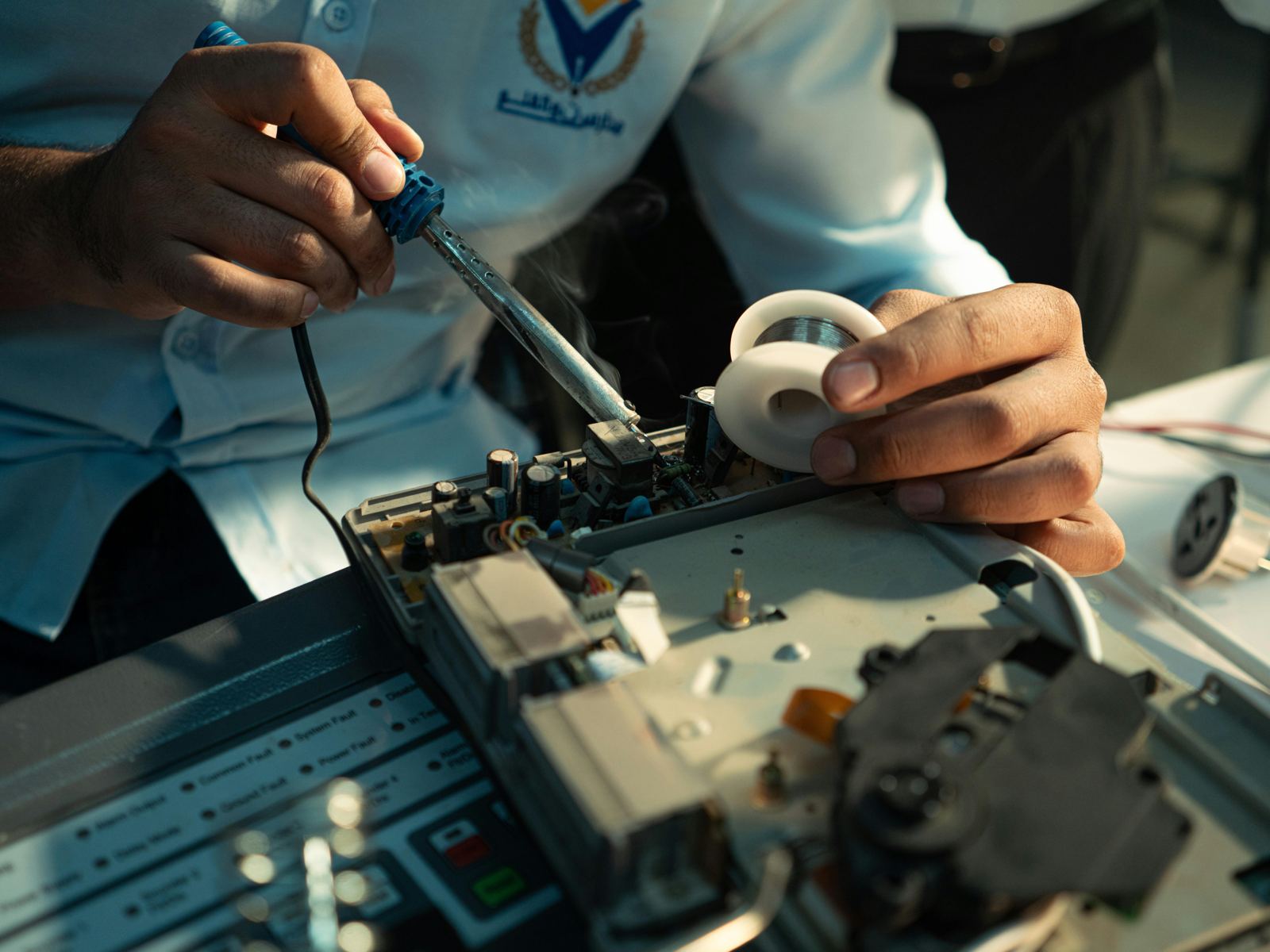
A lot of devices that get thrown away aren't actually beyond saving. A degraded battery can be swapped. A cracked screen can be replaced. A slow phone might just need a reset or a storage cleanup.
Before you decide something is dead, take it to a repair shop and at least get a diagnosis. In Baku, there are plenty of independent repair shops that can service most common electronics. The cost of a repair is almost always a fraction of buying something new.
The global right-to-repair movement is pushing manufacturers to make this easier, but even now, most common problems have affordable fixes if you bother to look.
4. Pass It On
Your old phone might be too slow for what you need, but it could work perfectly for someone else. An older laptop that can't handle your coursework might be exactly right for a younger sibling's homework. A working tablet you never use could be useful at a community center or a school.
Before disposing of any device that still turns on, think about whether someone could use it. Donating a working device is better for the environment than recycling it, because it delays the point where it becomes waste at all.
Just remember to factory reset it and remove your accounts before handing it over.
5. Dispose of It Properly
When a device is genuinely done — it doesn't work, it can't be fixed, nobody wants it — then how you dispose of it matters a lot. This is the whole point of what we do at E-Waste Azerbaijan.
Don't throw electronics or batteries in regular household waste. The lead, mercury, cadmium, and lithium inside them don't belong in a landfill. Bring them to a collection point or save them for a collection drive.
If there isn't a collection point near you right now, just keep your e-waste separate at home. A shoebox for dead batteries and old cables. A bag for broken devices. Drop them off at the next available collection event. Even doing this once every few months makes a difference.
6. Talk About It
This one's free and probably more impactful than you'd expect. Most people in Azerbaijan throw electronics in the trash not because they're careless, but because they genuinely have no idea it's a problem. Nobody told them what's inside a battery. Nobody explained what happens to a phone in a landfill.
You can change that. Mention it to your family. Bring it up at school. If you're in a position to, organize a collection drive — we can help you set one up. Awareness sounds like a small thing, but behavior change starts with information, and information spreads through conversations.
The Bigger Picture
I want to be honest: individual action alone isn't going to solve a problem this big. Azerbaijan needs proper e-waste legislation, manufacturer accountability, and real investment in recycling infrastructure. That's the systemic side, and it takes time.
But community-level action is where it starts — especially in a country where the formal systems aren't there yet. Every battery collected, every device repaired instead of tossed, every person who learns what e-waste actually is, contributes to a shift. And shifts in how people think are what eventually drive shifts in policy.
It's not about being perfect. It's about doing the obvious things that are right in front of you.